- Neuroglobe Brain Health
- Posts
- The Largest Review on Creatine and Brain Health was Just Published
The Largest Review on Creatine and Brain Health was Just Published
Here's Everything You Need to Know
In partnership with

Become An AI Expert In Just 5 Minutes

If you’re a decision maker at your company, you need to be on the bleeding edge of, well, everything. But before you go signing up for seminars, conferences, lunch ‘n learns, and all that jazz, just know there’s a far better (and simpler) way: Subscribing to The Deep View.
This daily newsletter condenses everything you need to know about the latest and greatest AI developments into a 5-minute read. Squeeze it into your morning coffee break and before you know it, you’ll be an expert too.
Subscribe right here. It’s totally free, wildly informative, and trusted by 600,000+ readers at Google, Meta, Microsoft, and beyond.
Introduction
Creatine is one of the most studied molecules in human physiology, yet its role in the brain has remained poorly understood compared to its effects on muscle. While the brain accounts for only about 2% of body mass, it consumes roughly 20% of the body’s energy at rest, making energy regulation a central issue for cognition, mental health, and neurological disease.
In January 2026, a comprehensive narrative review published in the Journal of Dietary Supplements evaluated decades of human trials, neuroimaging studies, animal models, and clinical research to clarify a central question: does creatine supplementation meaningfully influence brain energy, function, and health, and under what conditions?
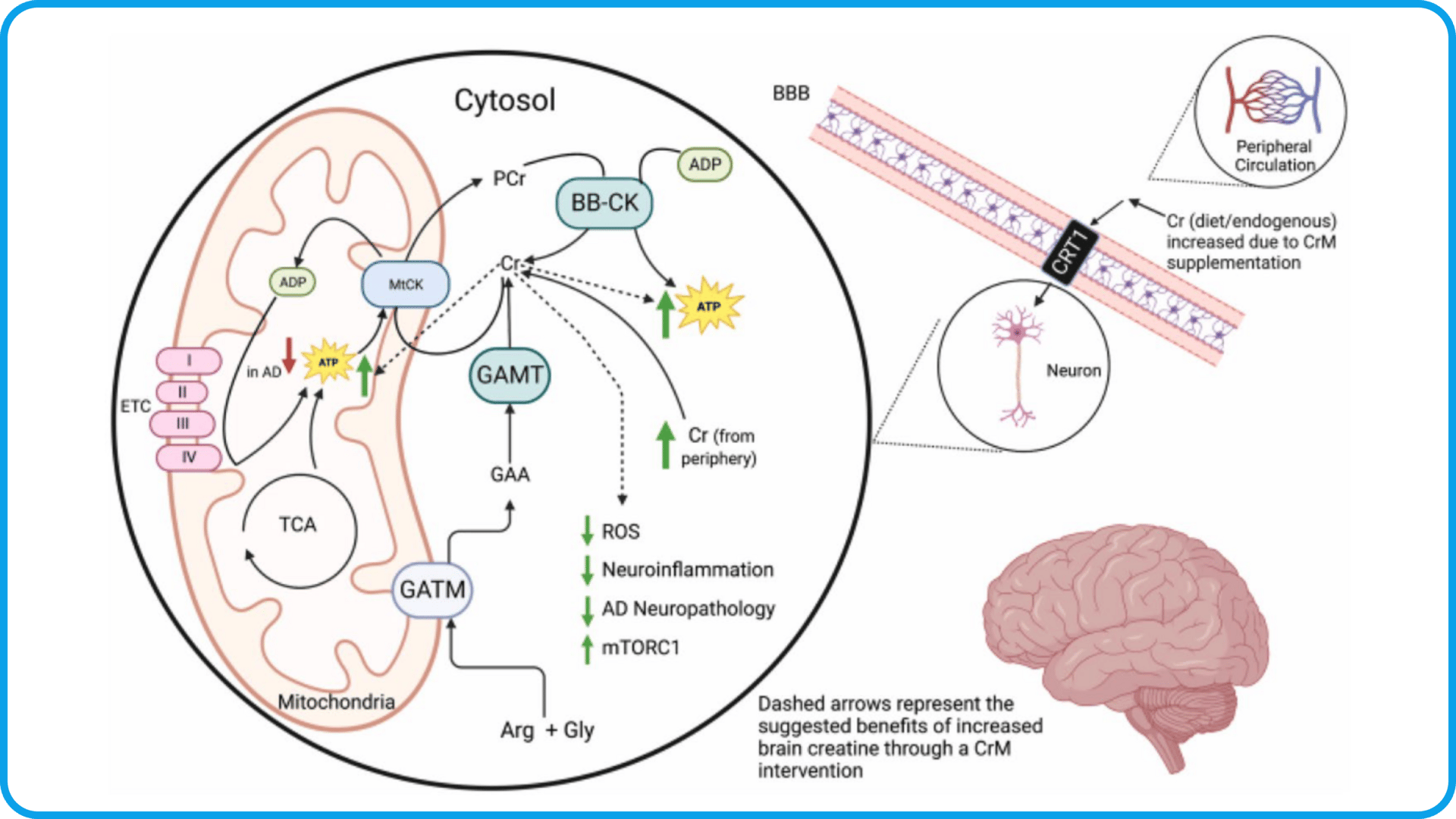
Figure 1 from the review: Creatine physiology in the brain
What the Research Showed
The review synthesized evidence across multiple domains rather than focusing on a single outcome or population. It examined human supplementation trials measuring brain creatine directly using magnetic resonance spectroscopy (MRS), cognitive and clinical outcome studies, animal and cellular models, and epidemiological data related to diet, sleep, and mental health.
Across this body of evidence, several patterns emerged. Creatine supplementation can increase brain creatine and phosphocreatine levels, but results are variable and highly dependent on dose, duration, brain region, and physiological context. Cognitive and clinical benefits were most consistently observed in populations experiencing high neural energy demand or metabolic stress, while effects in young, healthy, well-rested individuals were smaller or inconsistent.
Importantly, the review emphasizes that mixed findings in the literature do not reflect weak biology, but rather differences in methodology, population selection, and how brain creatine is measured.
Brain Bioenergetics and ATP Buffering
Creatine’s primary role in the brain is energetic. Neurons rely on rapid ATP regeneration to maintain membrane potentials, neurotransmission, and synaptic plasticity. The phosphocreatine system acts as a fast-acting energy buffer, allowing ATP to be regenerated precisely where and when demand spikes.
The review details how this system is especially relevant in brain regions involved in memory and executive function, such as the hippocampus and prefrontal cortex. When energy demand exceeds supply—during sustained cognitive effort or aging-related mitochondrial decline, creatine availability becomes more consequential.
Transport Limits and Brain Uptake
Unlike muscle, the brain tightly regulates creatine entry across the blood–brain barrier via the SLC6A8 transporter. This transporter operates near saturation under normal conditions, creating a steep gradient between circulating creatine and intracellular brain concentrations.
As a result, small or typical acute doses have little effect on baseline brain creatine in healthy individuals. However, the review highlights evidence showing that large acute doses can transiently improve brain performance during short-term metabolic stress, such as sleep deprivation, while sustained supplementation over weeks is required to measurably raise resting brain creatine levels.
This transport limitation explains why cognitive effects often appear delayed and why dosing strategies for brain outcomes differ from those used for muscle.
Creatine Under Neural Stress
One of the most consistent findings across the review is that creatine’s relevance increases as neural energy demand rises. Conditions such as sleep deprivation, mental fatigue, aging, depression, and neurological disease all place heightened stress on neuronal energy systems.
Under these conditions, creatine supplementation has been shown to preserve phosphocreatine levels, stabilize ATP availability, reduce pH decline, and attenuate markers of oxidative and metabolic stress. These effects provide a biological explanation for why creatine shows stronger cognitive and clinical benefits in stressed or vulnerable brains.
Beyond Energy: Neuroprotection and Signaling
Beyond ATP buffering, the review documents evidence that creatine influences multiple secondary pathways relevant to brain health. These include reductions in oxidative stress, stabilization of mitochondrial membranes, modulation of intracellular calcium handling, and interactions with neurotransmitter systems.
Creatine has also been shown to interact with dopaminergic, serotonergic, and adenosinergic signaling, and to influence markers of neuroplasticity such as BDNF in certain contexts. This multi-pathway action helps explain why creatine appears across domains including cognition, mood regulation, sleep, and neuroprotection rather than producing a single isolated effect.
Practical Applications for Brain Health
Taken together, the evidence suggests that creatine is most relevant for brain health in situations where energy demand is elevated or energy metabolism is compromised. These include aging populations, individuals experiencing chronic sleep restriction, mental fatigue, depression, or neurological injury.
The review supports the importance of duration and context over immediacy. Brain effects are unlikely to mirror the rapid performance changes seen in muscle. Instead, creatine functions as a foundational support molecule, enhancing resilience and efficiency rather than acting as a stimulant.
Safety data across populations remain strong, with creatine continuing to demonstrate a favorable safety profile when used appropriately.
The Bottom Line
This review makes one conclusion clear: creatine is not a speculative brain supplement. It is a biologically essential compound with a central role in brain energy regulation, supported by decades of mechanistic and human research.
The remaining questions are not whether creatine works for the brain, but when it matters most, for whom, and how it should be applied. As measurement methods improve and context becomes better defined, creatine’s role in brain health is likely to become clearer, not weaker.
Reference
Creatine Supplementation and the Brain: Have We Put the Cart Before the Horse?
Journal of Dietary Supplements
DOI: 10.1080/19390211.2026.2616440